Selling your home can feel overwhelming, especially when you are trying to balance repairs, packing, pricing, and everyday life at the same time. If you are getting ready to sell in Duluth, the good news is that a clear plan can reduce stress and help you present your home well from the start. In this guide, you will learn what matters most in today’s Duluth market, which prep steps deserve your time, and how to get your home ready with more confidence. Let’s dive in.
Why prep matters in Duluth
Duluth and Gwinnett are still active markets, but buyers have options. Over the three months ending in May 2026, Duluth homes sold for a median of $488,708, took about 44 days to sell, and received 3 offers on average. Other recent Duluth data shows about 42 days on market, 298 homes for sale, and homes selling at 98% of asking price in May 2026.
That means presentation still matters. When inventory rises and pricing softens in some parts of the market, homes that look well cared for and move-in ready often have a better chance of attracting attention early. Good preparation can help you avoid sitting on the market longer than needed or giving up more in price cuts and concessions.
It is also important to remember that Duluth is not one single price point. Recent listing data shows a wide range across the city, including different price patterns in ZIP codes like 30096 and 30097. That is why local comparable sales matter more than a single citywide number when you are deciding how to prepare and position your home.
Start earlier than you think
One of the best ways to lower stress is to give yourself enough runway. If your home needs repairs, permit work, or extra paperwork, a practical timeline is usually 8 to 12 weeks before listing. If your home mainly needs cleaning, decluttering, and light cosmetic updates, your timeline may be shorter.
A simple prep schedule often looks like this:
- 8 to 12 weeks out: review repairs, gather records, check disclosures, and look into any needed permits
- 2 to 4 weeks out: complete cosmetic touch-ups, deep cleaning, and staging
- Final week: focus on show-ready routines, photos, and curb appeal details
If your move timing is flexible, spring can still offer an advantage. National 2026 seasonality research points to mid-April as a strong window for views and faster sales, with the week of April 12 to 18 standing out. That does not guarantee the best result in every Duluth situation, but it can be a useful planning benchmark if you get to choose your launch timing.
Focus on the fixes buyers notice first
Not every project deserves your money or energy before you sell. In many cases, the most effective updates are the simplest ones. Visible, broadly appealing improvements tend to do more for first impressions than highly personalized or oversized remodels.
Recent seller guidance points to a few common priorities before listing:
- Paint
- Deep cleaning
- Decluttering
- Basic curb appeal
- Small repairs
In NAR’s 2025 Remodeling Impact Report, the projects agents most often recommended before listing were painting the entire home, painting one interior room, and installing new roofing. The same report found strong cost recovery for a new steel front door, closet renovation, and a new fiberglass front door.
For most Duluth sellers, the takeaway is simple. If a project improves how your home looks, feels, and functions right away, it is more likely to help than a major custom upgrade that may not match a buyer’s taste.
Know when permits matter
Before you jump into larger repairs, it helps to know what may require county approval. Gwinnett County says permits are required for additions, decks, accessory structures, retaining walls, and mechanical, electrical, or plumbing trade work.
On the other hand, finish work like painting, new flooring, cabinets, and vinyl siding does not require a permit under county rules. This can help you decide whether a project is realistic before listing or whether it makes more sense to price with that item in mind instead.
If you are unsure, this is where a calm, local strategy matters. You do not want a last-minute delay because a project was bigger than it first appeared.
Consider a pre-listing inspection
A pre-sale inspection is optional, but it can reduce surprises later. It may uncover issues before a buyer does, help you estimate repair costs, and make it easier to collect warranties, manuals, and service records ahead of time.
If the inspection reveals a major item like the roof or HVAC system, it is wise to get cost estimates even if you do not plan to replace it. Buyers often factor those items into negotiations, so having clear information can help you respond with less stress and more confidence.
This step can be especially helpful if you want fewer unknowns once your home goes live. Instead of reacting to a problem in the middle of a contract, you have more time to weigh your options.
Clean, declutter, and simplify
If you only do a few things before listing, make these count. Clean homes feel better maintained, photograph better, and help buyers focus on the space instead of your stuff.
Seller prep guidance recommends cleaning windows, carpets, lighting fixtures, and walls. It also helps to reduce clutter on surfaces, in closets, and along walkways. The goal is not to erase your life, but to create a calmer, more open feeling that lets buyers take in the home itself.
A few high-impact areas to tackle first include:
- Kitchen counters
- Bathroom counters
- Entry areas
- Main living spaces
- Closets and storage zones
When buyers can quickly understand the layout and storage potential, your home often feels easier to say yes to.
Stage the rooms that matter most
You do not need to stage every room perfectly to make a strong impression. In fact, staging is often most effective when you focus on the spaces buyers care about most.
NAR’s 2025 Profile of Home Staging found that 83% of buyers’ agents said staging makes it easier for buyers to picture a home as their future home. The same report found that 29% said staging increased the dollar value offered by 1% to 10%, and 49% of sellers’ agents said staging reduced time on market.
The top rooms to prioritize are:
- Living room
- Primary bedroom
- Kitchen
That does not mean you need a full redesign. Often, smart furniture placement, fresh bedding, neutral decor, and fewer personal items go a long way.
Make curb appeal easy to maintain
Your exterior sets the tone before a buyer even steps inside. In Duluth, curb appeal also connects to practical property upkeep.
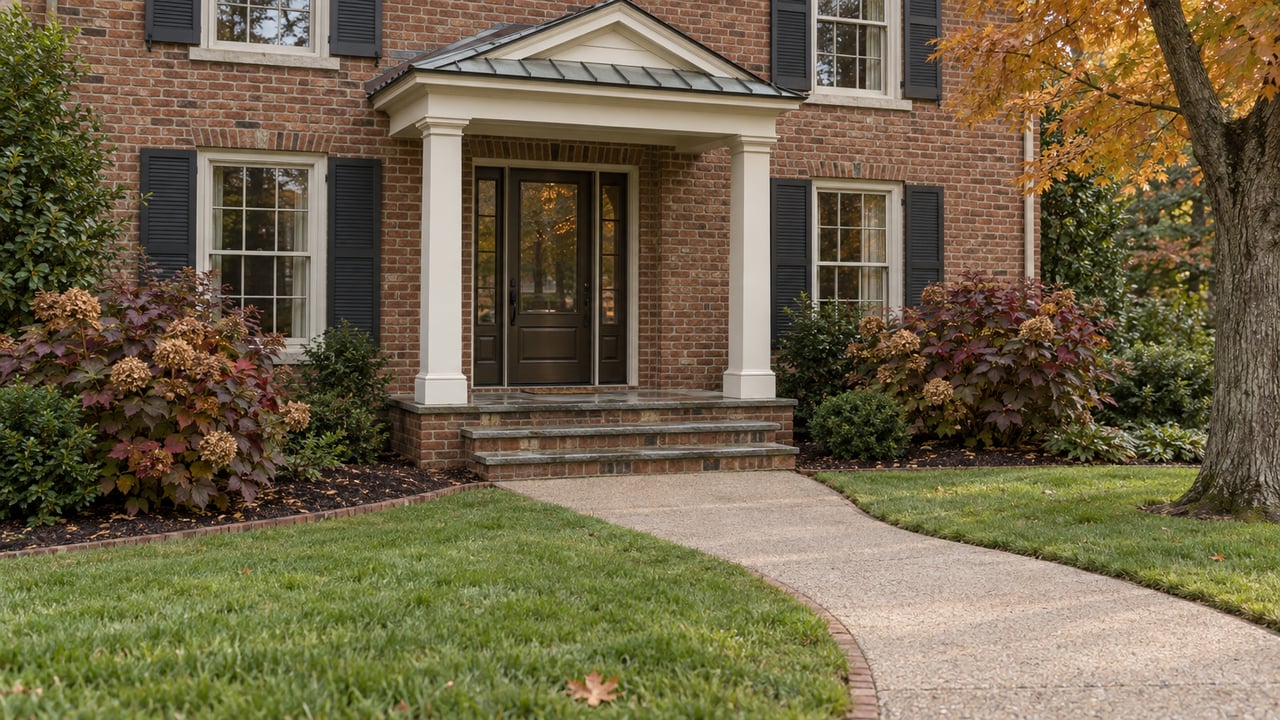
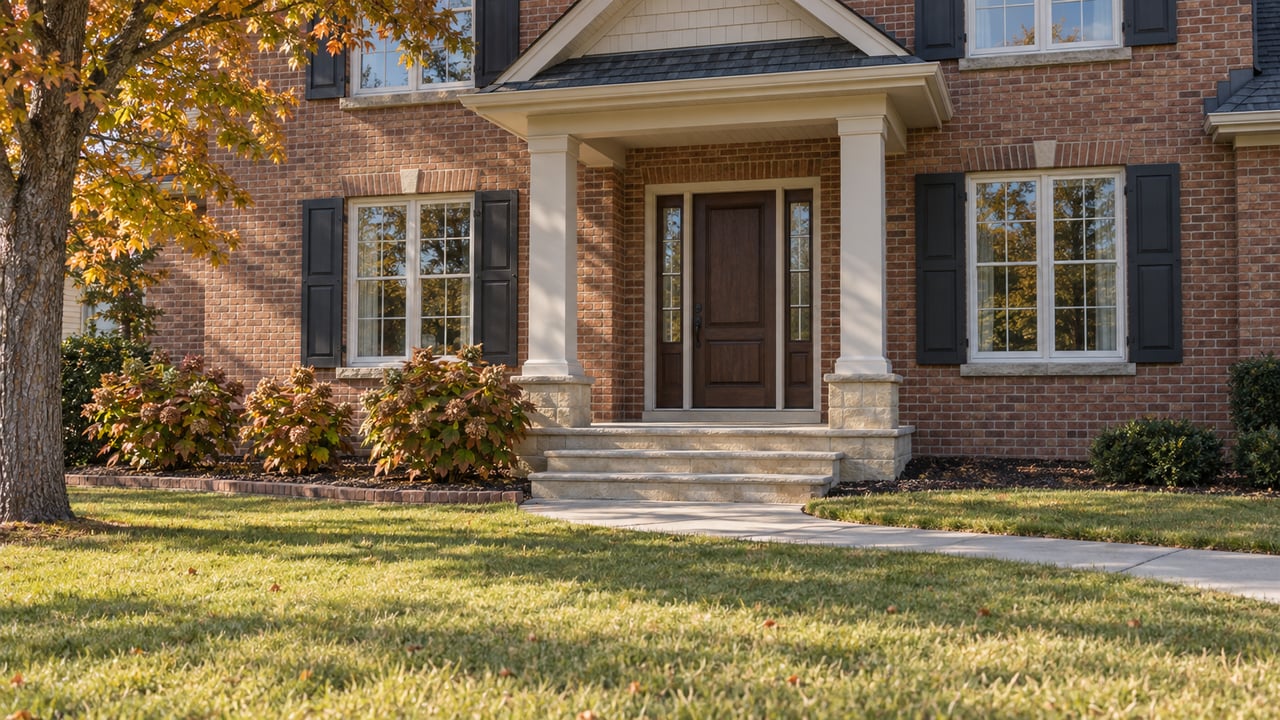
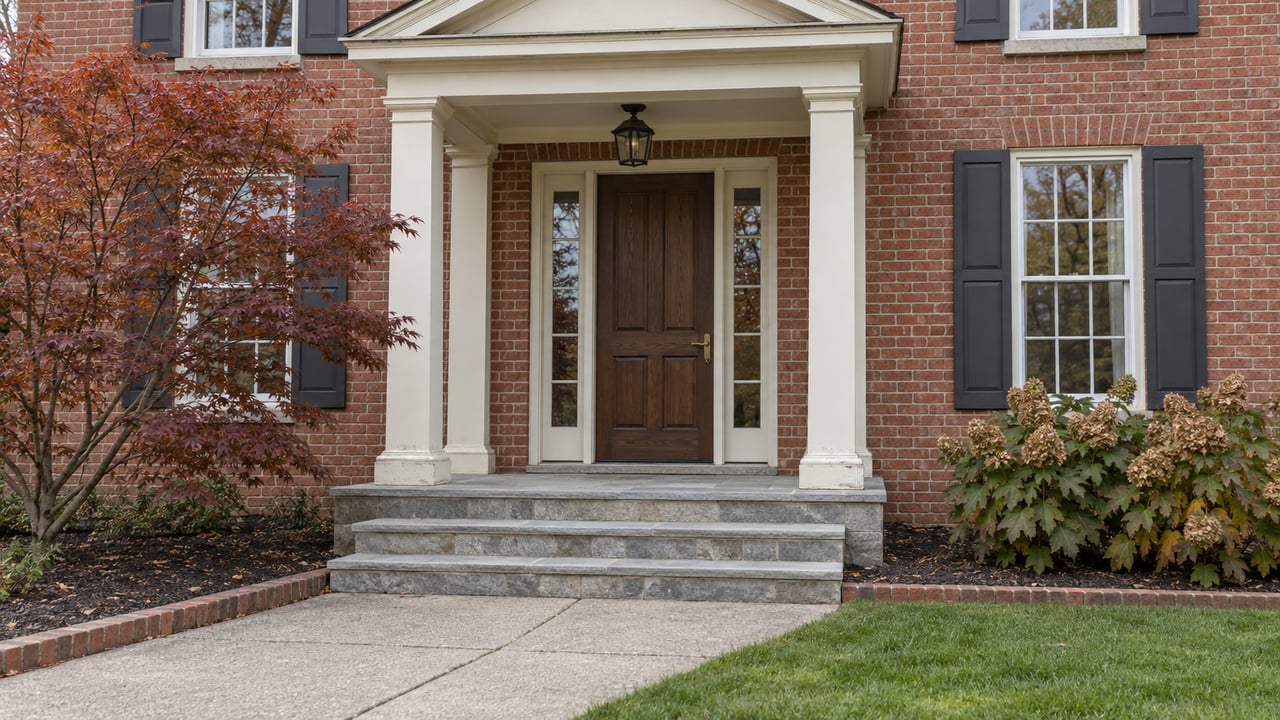
Local guidance notes that exteriors, driveways, and walkways should be kept in good repair and free from trash, overgrown grass, and similar issues. Before photos, showings, or an open house, take time to tidy the front entry, sweep hard surfaces, trim visible landscaping, and remove anything that feels distracting.
Simple curb appeal steps can include:
- Mow and edge the lawn
- Refresh mulch if needed
- Sweep the porch and walkway
- Touch up the front door or hardware
- Put away bins, tools, and hoses
These are not flashy upgrades, but they can make your home feel more cared for from the first glance.
Plan ahead for showings
Showings feel less stressful when you have a routine. Seller checklists recommend picking up clutter, clearing kitchen and bath counters, wiping surfaces, neutralizing odors, setting out clean towels, hiding valuables and medications, opening window treatments, turning on lights, and taking pets with you.
Once you get organized, this routine can often take less than an hour. That can make a big difference when a showing request comes in on short notice.
In Duluth, parking is also worth planning for. The city’s parking rules make it unlawful to block a driveway, reduce roadway width to less than 18 feet, or park in other prohibited spots. For photo days or open houses, it is smart to keep the driveway available and ask guests not to block neighboring access or crowd the street.
Get your paperwork together early
Paperwork may not be the most exciting part of selling, but it can save you stress later. Seller disclosures often cover material defects, completed repairs, property limitations, HOA guidance, and other conditions that could affect value.
A smart early step is to gather:
- Repair records
- Service receipts
- Warranties
- Manuals
- HOA documents if they apply
If a pre-listing inspection uncovers something material, talk through your next steps carefully. In many cases, your decision may come down to whether you should repair the item, offer a credit, or disclose the issue and price accordingly.
If your Duluth home was built before 1978, lead-based paint rules are especially important. In most of those homes, sellers must disclose known lead-based paint information before contract signing, provide the required EPA pamphlet, include the required warning statement, and allow buyers a 10-day period to inspect or assess for lead hazards.
Decide what to fix and what to credit
This is one of the biggest questions sellers ask, and the answer depends on the issue. In today’s Duluth market, visible problems that hurt first impressions or raise concerns during inspections usually deserve the most attention because buyers have choices.
A useful way to think about it is this:
| Issue type | Often worth fixing | May be better as credit or pricing factor |
|---|---|---|
| Cosmetic paint touch-ups | Yes | Rarely |
| Broken hardware or fixtures | Yes | Rarely |
| Strong odors or heavy clutter | Yes | No |
| Older roof or HVAC with life left | Maybe, with estimates | Often |
| Larger permitted structural work | Depends on timing and cost | Often |
The goal is not perfection. The goal is to remove the issues most likely to slow down buyer interest, create avoidable objections, or weaken your negotiating position.
Preparation creates leverage
When your home is clean, staged, documented, and priced with local context in mind, you can respond to buyers from a stronger position. If an inspection objection comes up, it is much easier to negotiate when you already have repair estimates, service records, and disclosure documents ready.
That kind of preparation lowers stress because fewer decisions have to be made in a rush. It also helps you stay focused on the bigger picture, which is a smoother sale and a better transition into your next move.
Selling a home in Duluth does not have to feel chaotic. With the right timeline, the right priorities, and clear local guidance, you can make smart prep decisions without over-improving or overcomplicating the process. If you are thinking about your next move, Patricia Mickle can help you create a personalized plan for your home, your timeline, and your goals.
FAQs
How far in advance should you prepare a Duluth home to sell?
- A practical planning window is often 8 to 12 weeks if your home needs repairs, permits, or paperwork, while homes needing mostly cosmetic prep may be ready faster.
What home improvements matter most before selling in Duluth?
- The most useful updates are often paint, cleaning, decluttering, curb appeal, and small repairs that improve first impressions.
Do you need to stage every room before selling a Duluth home?
- No, it usually makes the most sense to focus on the living room, primary bedroom, and kitchen.
Should you fix issues or offer a credit when selling a home in Duluth?
- Visible issues that affect showings or inspections often deserve attention first, while larger items may be handled through pricing, disclosure, or a buyer credit depending on timing and cost.
What should you do before a home showing in Duluth?
- Pick up clutter, clear counters, wipe surfaces, reduce odors, open window treatments, turn on lights, secure valuables and medications, and plan parking so driveways and streets stay clear.
What paperwork should you gather before listing a Duluth home?
- Start with repair records, service receipts, warranties, manuals, and any HOA documents, and be ready to address required disclosures early in the process.