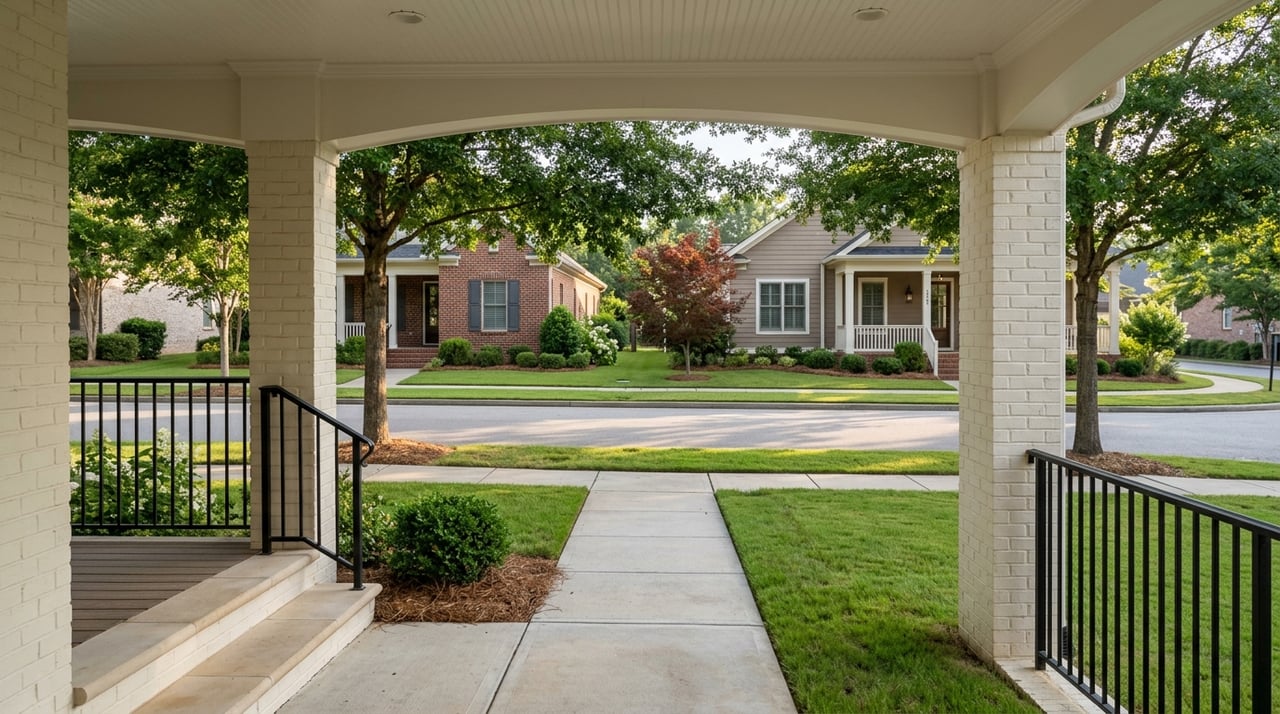
Wondering how to choose the right Suwanee neighborhood when the city feels small on the map but very different block to block? That is a common challenge for buyers who know they like Suwanee but are not yet sure which part of it matches their routine, budget, and home style. The good news is that Suwanee gives you several distinct living patterns to compare, from walkable mixed-use areas to more traditional suburban settings. If you know what to look for, the choice gets much clearer. Let’s dive in.
Start With Suwanee’s Neighborhood Pattern
Suwanee has about 22,349 residents and 8,584 housing units, and it sits roughly 30 miles north of Atlanta. The city’s planning framework expects areas closer to downtown to be denser and more walkable, while areas farther out feel more suburban. That makes your first decision less about the city as a whole and more about which setting fits your daily life.
The city organizes land use into 11 character areas, each with its own form, mix of uses, and future goals. For you as a buyer, that can be a practical shortcut. Instead of searching every listing the same way, you can first decide whether you want a compact downtown feel, older neighborhood character, a conventional suburban layout, or strong roadway access.
Compare the Main Lifestyle Options
Old Town Feel
Old Town is Suwanee’s historic core. It is an approximately 56-acre historic district with commercial and residential areas dating from 1871 to the early 1960s, mostly arranged along Main Street and the railroad corridor. You will also find civic and community features here, including PlayTown Suwanee, the Suwanee branch of the Gwinnett County Public Library, a pavilion, the red caboose, and small office and retail space.
If you are drawn to older homes, a more traditional street pattern, and quick access to community resources, Old Town may deserve a close look. It offers a different feel from newer subdivisions and mixed-use communities. For some buyers, that older texture is exactly the point.
Town Center Living
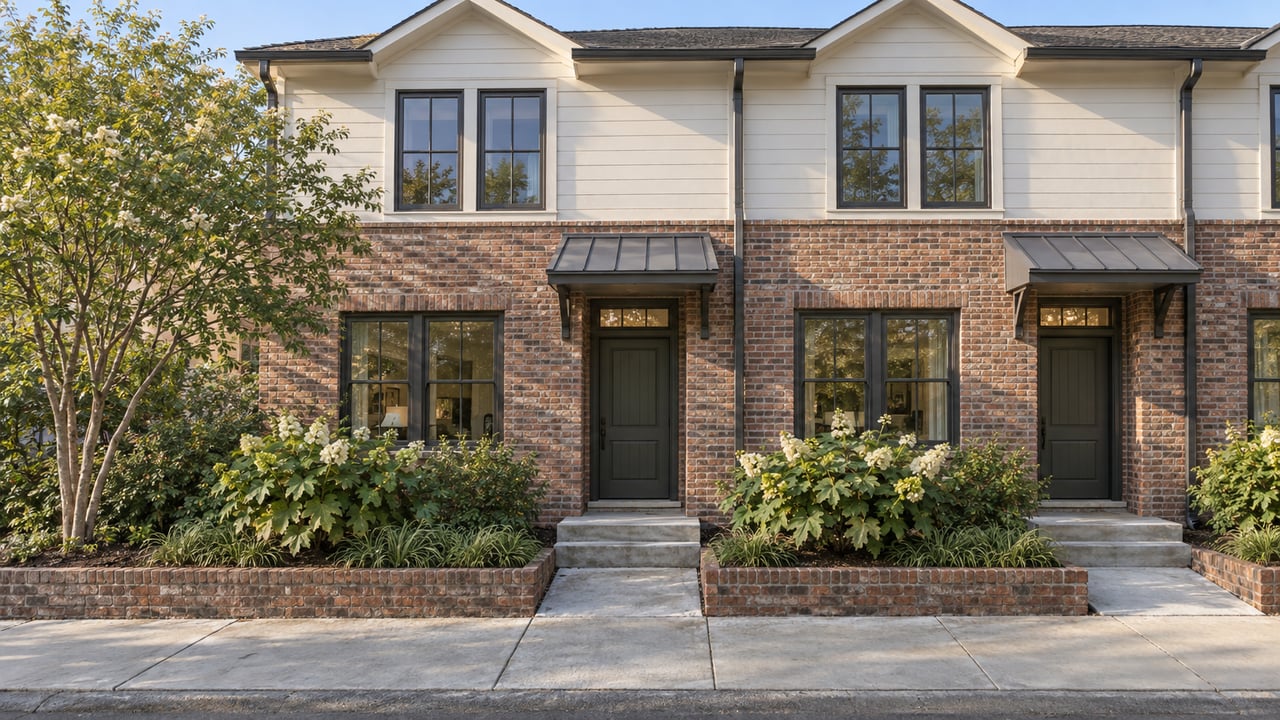
Town Center is Suwanee’s mixed-use heart. It spans more than 63 acres and includes the 40-acre Shadowbrook at Town Center neighborhood, along with 147 townhome and condominium units and 85 single-family homes. The area is built around Town Center Park and Town Center on Main & DeLay Nature Park, with sidewalks, trails, public parking, and event space shaping the experience.
If you want walkability, convenience, and a lower-maintenance home style, this area will likely move to the top of your list. You may spend less time driving for simple outings and more time enjoying nearby parks and public spaces. Buyers who prefer attached housing or a more compact setting often find this part of Suwanee especially appealing.
Outer Suburban Areas
Farther from downtown, Suwanee generally shifts toward a more suburban pattern. The city uses Smithtown Road as an example of large-lot suburban development, while Peachtree Industrial Boulevard is described as suburban commercial development. That does not rank one area above another, but it does help you understand the general feel.
If you want more separation from the downtown core, a traditional subdivision setting, or a home environment less tied to mixed-use activity, these areas are worth comparing. This can be a better match if your routine centers more on home, driving, and space than on walkability.
Gateway and Corridor Areas
Suwanee Gateway offers a very different experience. The city describes it as transitioning from an aging commercial interstate interchange into a higher-intensity office and hospitality area. If access and roadway convenience matter most to you, this corridor may be worth considering.
Still, it helps to be realistic about lifestyle. A home near a corridor can feel very different from one near a trail, a neighborhood park, or Old Town amenities. The right choice depends on whether you prioritize atmosphere, commute access, or a mix of both.
Look at Home Type and Age
Price matters, but it should not be your only filter. Suwanee’s planning documents say 60% of the city’s housing units were built since 2000. They also show that single-family detached and attached homes make up 73% of the inventory, while multifamily housing accounts for 27%.
That means Suwanee still leans strongly single-family, but it also offers meaningful variety. Census data in the research shows 64% of housing structures are single-unit, which supports the idea that many buyers will still be deciding among detached homes, even as townhomes and condos play a bigger role in compact areas.
Old Town gives you the oldest housing context in the city. Town Center reflects the newer mixed-use direction. Between those two, you will often find buyers choosing among older detached homes with more historic character, newer infill homes with shared amenities, and more conventional suburban subdivisions that balance space and neighborhood structure.
Map Your Daily Routine First
One of the smartest ways to choose a Suwanee neighborhood is to map your life before you compare listings. The city has over 600 acres of parkland and many miles of walking and biking trails. It also operates 182 acres of parks, which means outdoor access is not just a bonus here. It is a major part of how different areas feel day to day.
Parks and Trails Matter More Than You Think
Not every park serves the same purpose. Town Center Park is Suwanee’s primary gathering place, while Town Center on Main & DeLay Nature Park adds natural open space and a reading grotto area. Sims Lake Park has a 1.2-mile looping trail and is especially popular because of its proximity to several neighborhoods.
White Street Park sits in the Old Town Historic District and includes Harvest Farm, which the city identifies as Georgia’s largest organic community garden. Beyond city parks, the county-managed trail system adds the roughly 4-mile Suwanee Creek Greenway and the roughly 5.5-mile Ivy Creek Greenway. If you enjoy walking, biking, or regular outdoor time, compare how easily you can reach the specific park or trail you would actually use.
Test the Real Commute
Suwanee may be known for its parks and community design, but commute patterns are still road-centered. Key routes include I-85 exit 111, Lawrenceville-Suwanee Road, Buford Highway, Suwanee Dam Road, and Peachtree Industrial Boulevard. The mean travel time to work is 30.1 minutes, which makes route testing a practical step, not an optional one.
Transit also plays a role for some households. Gwinnett County Transit Route 50 runs from Sugarloaf Mills through downtown Suwanee to Mall of Georgia, and Route 70 reaches Indian Creek MARTA Station. The city also notes that Chamblee is the most convenient rail station for Suwanee residents, and weekday express service can reach downtown Atlanta.
The key is to test the drive or transit pattern you expect to use at the actual time of day you would use it. A neighborhood that looks perfect online can feel very different once you experience the morning or evening routine.
Include HOA Costs Early
If you are considering a townhome, condo, or planned community, HOA costs should be part of your neighborhood decision from the beginning. This is especially important in and around Town Center, where attached and compact housing is more common. Shared amenities and shared maintenance often come with shared costs.
As you compare communities, ask practical questions such as:
- What do the dues cover?
- Are there age or rental restrictions?
- How does guest and resident parking work?
- Who maintains common areas, sidewalks, or trails?
- Have there been any recent special assessments?
These details can shape both your budget and your everyday experience. A neighborhood may look like a great fit until the rules or monthly costs tell a different story.
Confirm the Home Is in Suwanee
This is a small step that can save you major confusion. The city warns that some addresses using Suwanee in the mailing address are not actually inside the City of Suwanee, and some may even be in Forsyth County. If city amenities, parks, or local identity matter to you, confirm the property’s true location early in your search.
Once you do that, focus your research on how the area functions in real life. Compare the nearest park or trailhead, drive the commute, and visit the neighborhood during a weekday evening and again on a weekend. In a city where Old Town, Town Center, suburban sections, and corridor areas can all feel meaningfully different within a short drive, this kind of firsthand comparison matters.
A Simple Suwanee Neighborhood Checklist
If you want an easier process, use this checklist before you narrow your options:
- Confirm the home is inside the City of Suwanee if that matters to you
- Decide whether you prefer walkable, historic, suburban, or corridor-style living
- Compare home type and age, not just price
- Identify the nearest park, greenway, or outdoor space you would actually use
- Test the commute at the time you would normally travel
- Review HOA dues, rules, parking, and maintenance responsibilities
- Revisit the area on both a weekday and a weekend
This simple framework can help you move from “I like Suwanee” to “I know which part of Suwanee fits me best.”
Choosing a neighborhood is not about finding the most popular part of town. It is about finding the setting that supports the way you already live or the way you want to live next. With Suwanee’s mix of historic areas, walkable downtown living, suburban sections, parks, and commuting options, a tailored approach will usually lead to a better long-term fit.
If you want help narrowing down the right Suwanee area based on your routine, budget, and goals, Patricia Mickle can help you compare neighborhoods with a local, personalized strategy.
FAQs
How do you choose the right neighborhood in Suwanee, GA?
- Start by deciding what matters most in your daily life, such as walkability, home style, park access, commute routes, or HOA structure, then compare Suwanee areas based on those priorities.
What is the difference between Old Town and Town Center in Suwanee?
- Old Town offers Suwanee’s historic core with older character and community resources, while Town Center is a newer mixed-use area centered around parks, sidewalks, trails, and more compact housing options.
Are all Suwanee addresses inside the City of Suwanee?
- No. The city states that some Suwanee mailing addresses are outside the city limits, and some may be in Forsyth County, so it is smart to verify the property location early.
What kinds of homes are common in Suwanee?
- Suwanee leans heavily toward single-family housing, but it also has townhomes, condominiums, and multifamily options, especially in more compact and mixed-use areas.
Why do parks and trails matter when choosing a Suwanee neighborhood?
- Parks and trails shape your daily routine, and Suwanee has a wide mix of them, from Town Center Park to Sims Lake Park and county greenways, so it helps to compare access to the places you would actually use.
Should you factor HOA dues into a Suwanee home search?
- Yes. HOA dues, rules, parking policies, and maintenance responsibilities can affect both affordability and lifestyle, especially in townhome, condo, and mixed-use communities.