If you want a downtown that feels easy to enjoy on a regular Tuesday and lively on a Friday night, Downtown Duluth deserves a closer look. For many buyers, the appeal is not just the homes. It is the way daily life can blend walkability, public events, nearby parks, and practical access to the rest of North Metro. This guide will help you picture what everyday life in Downtown Duluth actually feels like and what that could mean if you are thinking about making a move. Let’s dive in.
Downtown Duluth feels compact and active
Downtown Duluth is the city’s central business district, and the area is guided by the Downtown Duluth Master Plan. In day-to-day terms, that means a more intentional, connected district rather than a scattered commercial stretch.
The city also describes downtown as walkable, with shops and eateries shaping the core experience. If you enjoy the idea of being able to stroll between coffee, dinner, small retail stops, and public gathering spaces, that is a big part of the downtown appeal.
Public spaces shape daily routines
Town Green and Parsons Alley sit at the heart of public life in Downtown Duluth. These are not just places for occasional events. They help set the rhythm for how people gather, relax, and spend time outside.
City event coverage shows how often these spaces stay active. Town Green has hosted the Spring Arts Festival, Chalk Art Festival + Derby Day, Little Beer VI, the Lantern Parade, and Howl on the Green, while Parsons Alley has hosted events like Noon Year’s Eve.
For you as a buyer, that means lifestyle matters here. Even if you do not attend every event, living near spaces that regularly bring people together can make the area feel more connected and energetic.
Friday nights can be especially lively
One of the clearest patterns in Downtown Duluth is how active evenings can be, especially in warmer months and shoulder seasons. The city has highlighted recurring events like Rock the Block: Live & Loud Fridays and Flicks on the Bricks, and those Friday night events continued through 2025.
That steady event calendar helps explain why downtown often feels alive beyond normal business hours. It is not a district that only wakes up for a few major festivals each year. There is a more regular social pulse built into the area.
Dining and shopping support real everyday use
A downtown can look charming on paper but still feel limited in real life. Downtown Duluth stands out because the business mix supports more than just weekend visits.
The current Downtown Duluth Card directory lists 30 participating locations. That includes 17 food and dining spots, 5 retail businesses, 3 nightlife venues, 2 services, 2 health and fitness businesses, and 1 beauty and wellness business.
That mix suggests you can use downtown in different ways throughout the day. Lunch, casual dinners, after-work meetups, boutique shopping, and quick errands all fit into the picture.
Some of the current businesses named in the directory include 6S Brewing, Good Word Brewing & Public House, Crave Pie, Dreamland, Noona Meat & Seafood, O4W Pizza, Rock N Roll Sushi, The Chocolaterie, Truck & Tap, Rocket Fizz, Simply Done Donuts, Lillie’s Boutique, The Social Peach Boutique, and Thrive Coworking.
For many buyers, that variety is what turns a downtown from a nice feature into part of your routine. You may not need a huge urban core if you have a well-used, approachable one close to home.
The library adds a practical civic anchor
Downtown Duluth is not only about restaurants and nightlife. The Gwinnett County Public Library’s Duluth Branch is located at 3180 Main Street and offers weekday, Saturday, and Sunday hours.
That gives the area another layer of everyday usefulness. It adds a civic, practical destination in the middle of downtown and helps reinforce that this is a place people use for more than entertainment.
Parks keep downtown connected to nature
One reason Downtown Duluth feels balanced is that the urban energy of the core is supported by nearby green space. You are not choosing between a walkable downtown and outdoor access. In many ways, you get both.
Rogers Bridge Park adds an important outdoor option close to downtown life. It is a 24-acre passive park along the Chattahoochee, and the 2023 pedestrian bridge connects it to Cauley Creek Park in Johns Creek.
That connection adds to the sense that Duluth is plugged into a broader regional lifestyle. It also gives you another way to think about weekends, morning walks, or lower-key outdoor time without leaving the area.
Nearby trails widen your options
The outdoor story around Duluth does not stop at one park. Bunten Road Park is another nearby recreation anchor, and the city broke ground in March 2026 on walking trail improvements that will repair and extend trails, add ADA upgrades, and improve park infrastructure, with completion targeted for spring 2027.
Shorty Howell Park and McDaniel Farm Park also help explain the broader feel of living in this part of Gwinnett. Shorty Howell Park offers a 1.25-mile paved trail, while McDaniel Farm Park includes 134 acres and 3 miles of trails in a historic farm setting.
Together, these spaces support a lifestyle that feels suburban and green even when downtown itself is busy. That balance can be especially appealing if you want activity nearby without feeling boxed into a fully urban environment.
Regional connections matter too
Downtown living is often more appealing when it connects well to surrounding destinations. Duluth’s trail and park network supports that idea.
Gwinnett’s Western Gwinnett Pathway is a five-mile trail segment between Rogers Bridge Road and Suwanee Dam Road. The county envisions it as part of a larger connection that links Duluth with the Loop Trail, Shorty Howell Park, Gwinnett Place, Gas South District, and Suwanee.
For buyers thinking long term, that kind of regional connectivity can strengthen the appeal of the area. It adds to the sense that Downtown Duluth is part of a bigger North Metro network rather than a standalone pocket.
The housing mix is more low-rise than high-rise
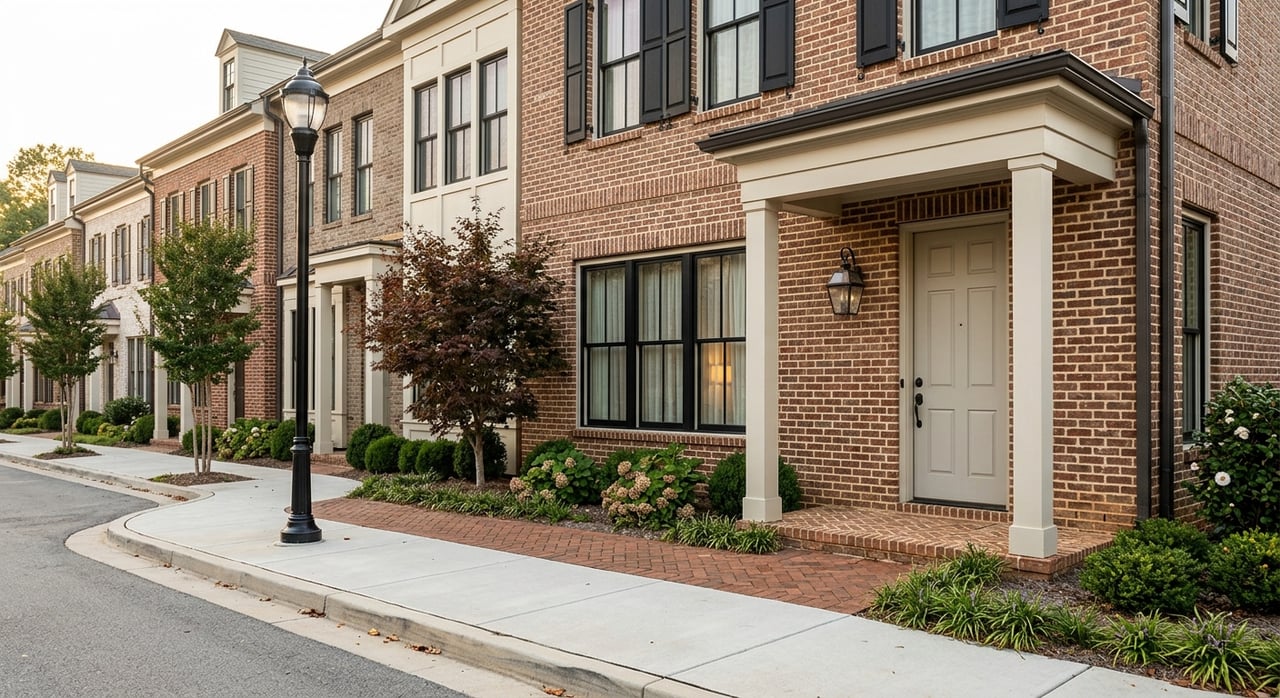
If you are picturing sleek residential towers, Downtown Duluth may surprise you. The housing pattern documented by the city points more toward low-rise and mixed-use development.
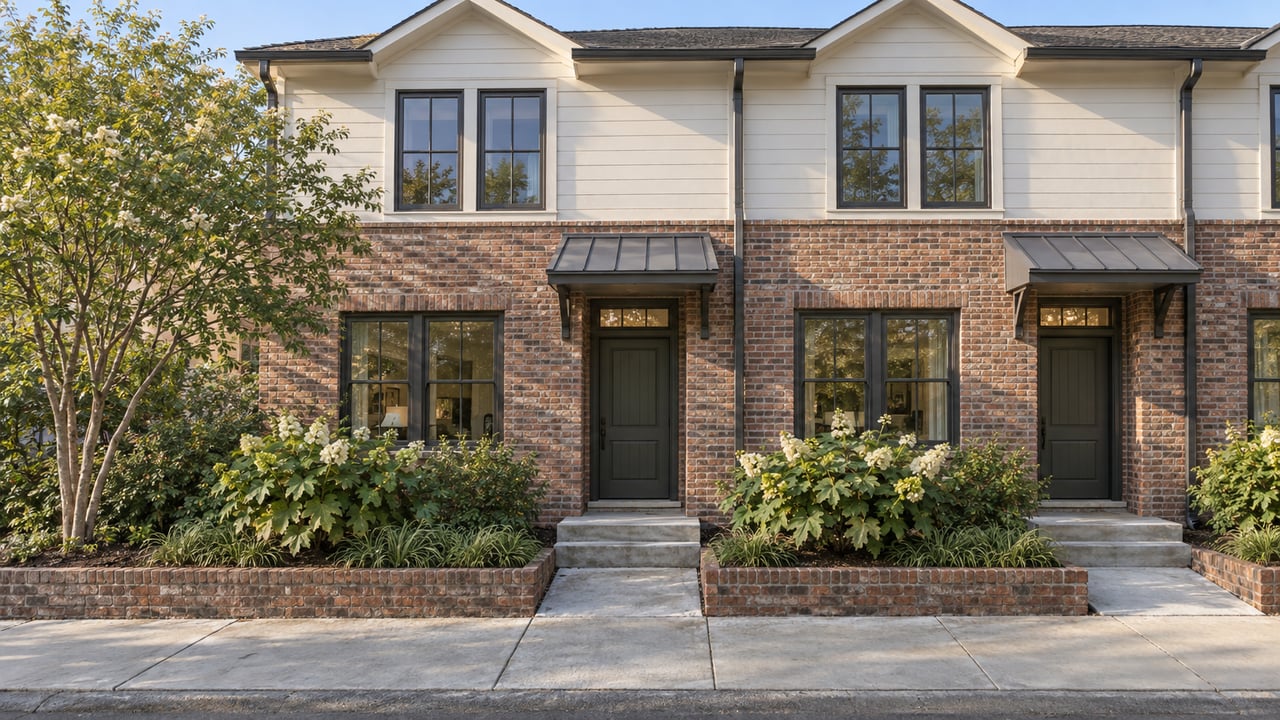
City reporting described a downtown community with 59 townhomes and 39 single-family homes near City Hall, plus a 36-unit townhome project across from City Hall. Later budget documents also referenced broader growth tied to projects such as District at Duluth, Riversong, and SODO Duluth.
From that mix, the local housing story looks more like walk-to-downtown townhomes and infill homes than a high-rise condo market. For many buyers, that creates a more neighborhood-oriented version of downtown living.
What daily life may look like for you
Every buyer will experience Downtown Duluth a little differently, but a few patterns stand out. Life here can be a good fit if you want convenience, activity, and a stronger sense of place built into your weekly routine.
You might appreciate Downtown Duluth if you are looking for:
- A walkable main-street setting with dining and retail nearby
- Frequent public events and a more social weekend atmosphere
- Access to parks, trails, and riverfront green space
- Low-rise housing options near the downtown core
- Connectivity to other North Metro destinations
You may want to look more closely at the details if your priorities include:
- A quieter environment on event-heavy evenings
- Easy overnight street parking, since public rights-of-way prohibit overnight parking from 10 p.m. to 6 a.m. except in designated spaces
- Understanding how downtown activity levels change during festivals and Friday events
A few local details are worth knowing
Small rules can shape your day-to-day experience in a downtown district. In Duluth, two current details stand out.
First, downtown became a railroad quiet zone on August 27, 2024. For some buyers, that may improve the feel of being near the core.
Second, the city’s overnight parking rule applies in public rights-of-way from 10 p.m. to 6 a.m., except in designated spaces. If you are considering a home near downtown, that is the kind of practical detail worth understanding early.
There is also an open-container district in Downtown Duluth. Licensed downtown merchants can sell to-go alcohol for use on the green, Main Street, and Parsons Alley, while bring-your-own alcohol is limited to designated open-zone events.
Why Downtown Duluth stands out
What makes Downtown Duluth appealing is not just one feature. It is the combination of a walkable core, a full calendar of public events, practical businesses, civic uses, and nearby green space.
That combination gives the area a main-street feel that can be hard to find. You get an active downtown atmosphere, but you are still in a part of Gwinnett that feels connected to parks, trails, and the wider North Metro lifestyle.
If you are thinking about buying or selling near Downtown Duluth, local context matters. The right strategy depends on your timing, your goals, and the kind of daily life you want. If you are ready to talk through your options, Patricia Mickle can help you navigate the Duluth market with clear communication and a personalized approach.
FAQs
What is everyday life like in Downtown Duluth?
- Everyday life in Downtown Duluth centers on a walkable district with shops, eateries, public gathering spaces, frequent events, and nearby parks and trails.
What types of homes are common near Downtown Duluth?
- The documented downtown housing mix points mostly to low-rise and mixed-use development, including townhomes and some single-family infill homes rather than a high-rise condo market.
What parks are near Downtown Duluth?
- Nearby parks include Rogers Bridge Park along the Chattahoochee, Bunten Road Park, Shorty Howell Park, and McDaniel Farm Park.
What should buyers know about Downtown Duluth parking rules?
- The city prohibits overnight parking in public rights-of-way from 10 p.m. to 6 a.m., except in designated spaces.
What makes Downtown Duluth different from other suburban areas?
- Downtown Duluth stands out for its compact main-street setting, regular public events, mix of dining and retail, and close access to parks and regional trail connections.